M K

MATTHEW KVAMME

TRACK CYCLIST · SPRINTER

SPEED · FOCUS · CONSISTENCY

SCROLL

ABOUT ME

Three pieces that made the rider.

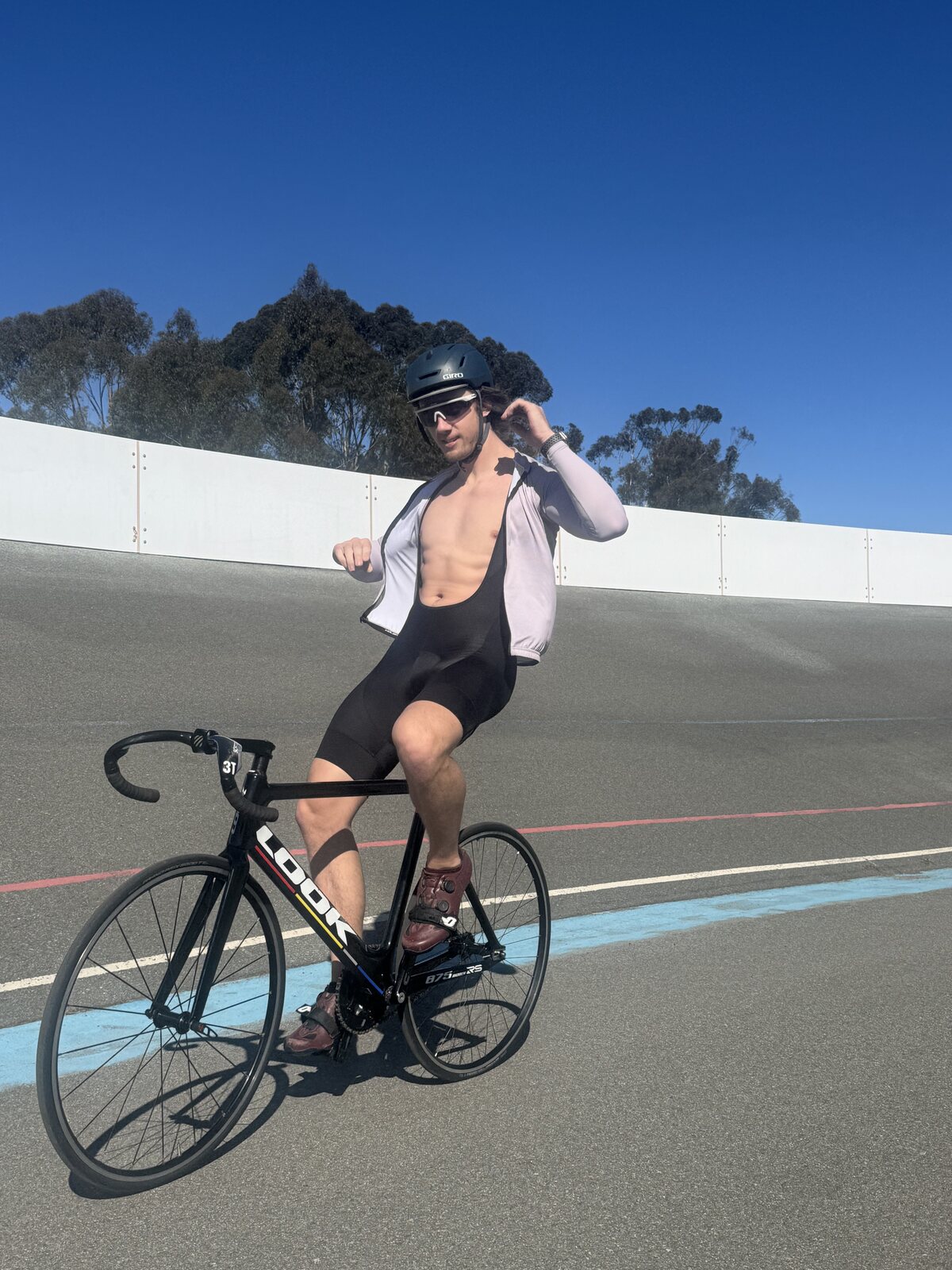
Matthew on the velodrome with his LOOK 875 RS track frame, race kit unzipped
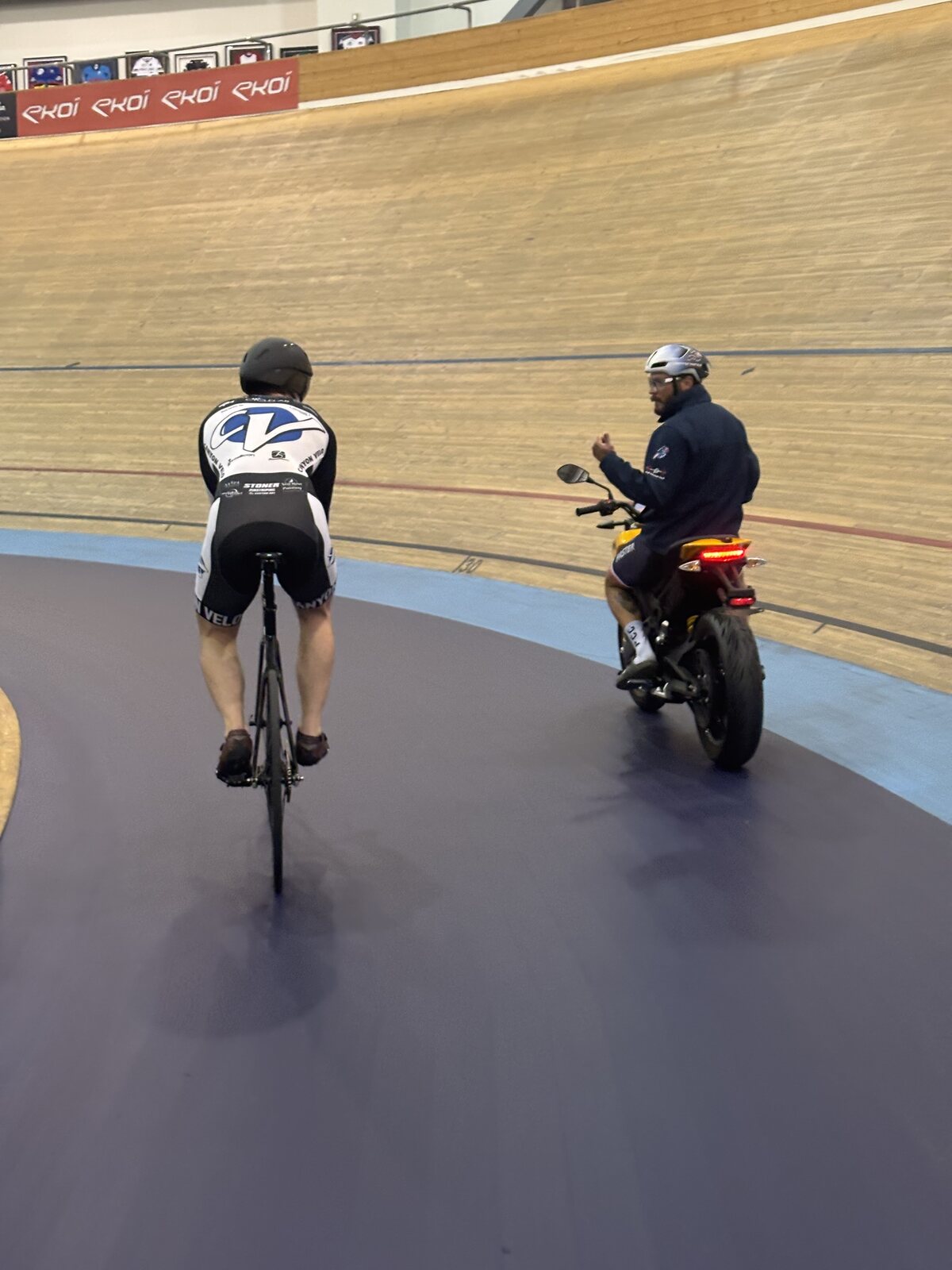
Matthew motorpacing on the velodrome with his coach on a motorcycle pacing him
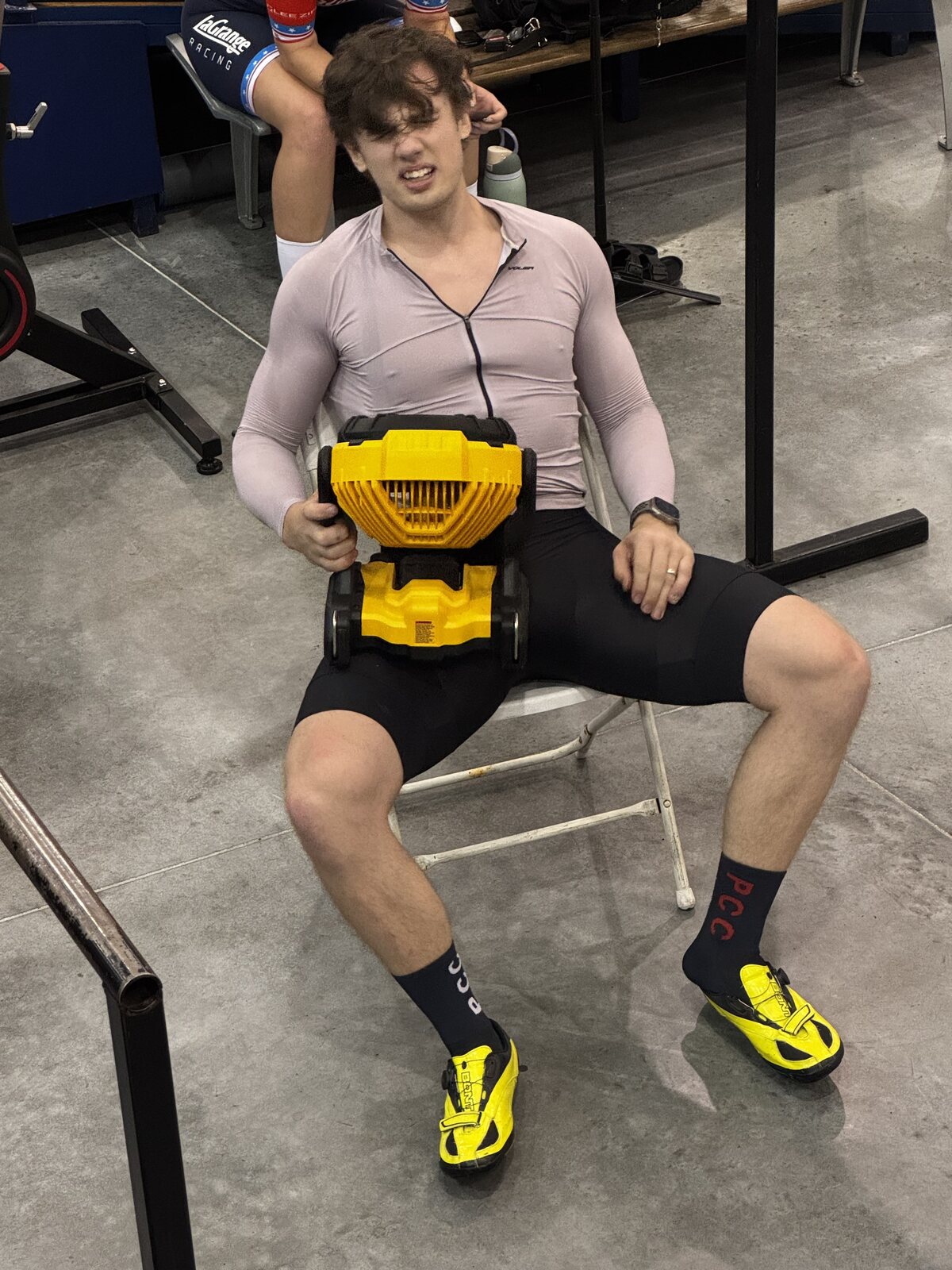
Matthew in race kit, sitting at the velodrome with a portable fan, recovering between efforts

NOW

Track cycling sprinter.

I'm a 23-year-old American track cyclist training out of the Carson Velodrome in Los Angeles, splitting my time between elite training and building a tech startup. My days revolve around performance — on the bike, in the gym, and behind a screen — pushing to grow stronger, sharper, and more capable.

The plan is to make it to the world stage.
GROWING UP

Kid in a garage tinkering with bikes.

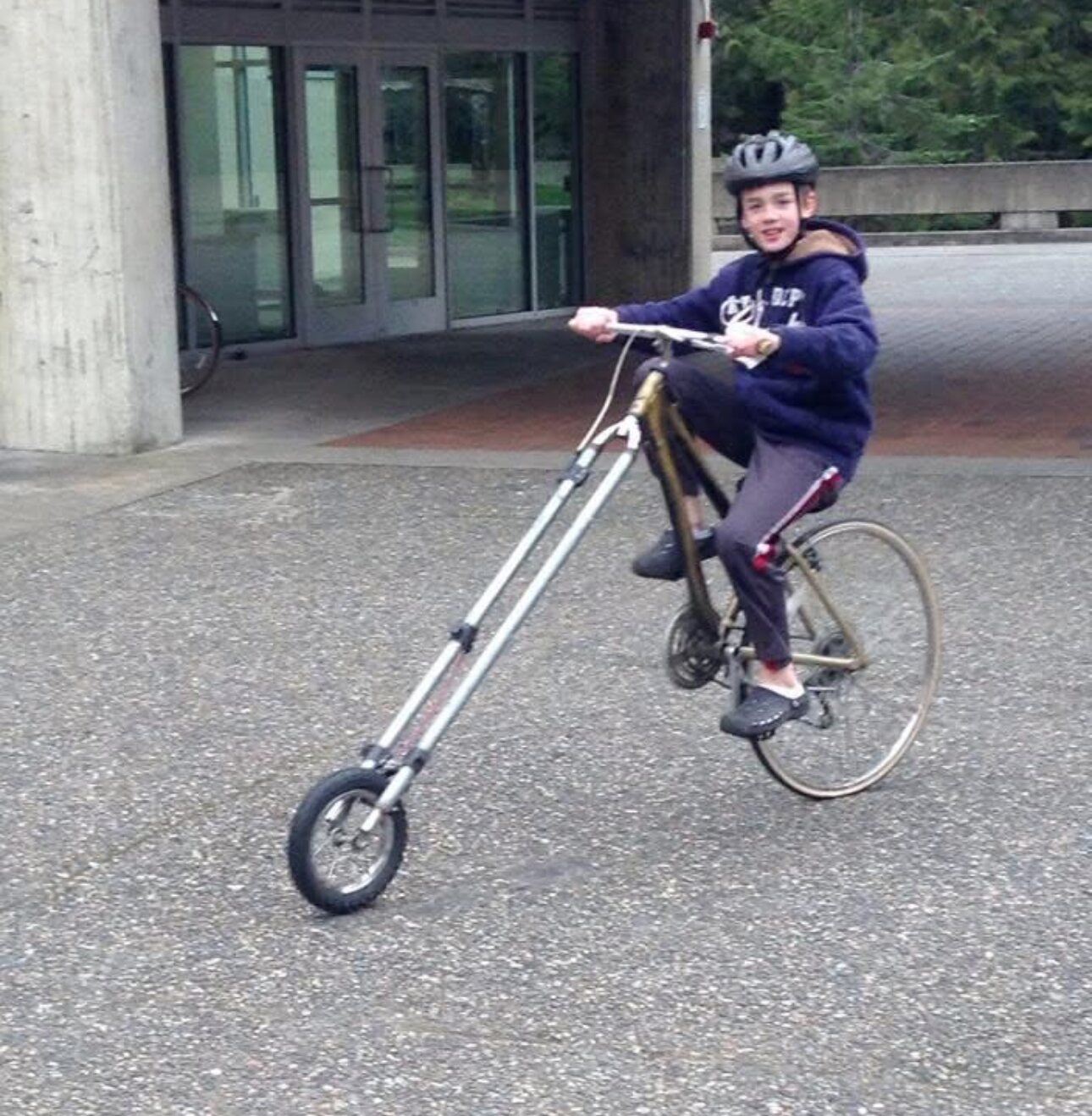
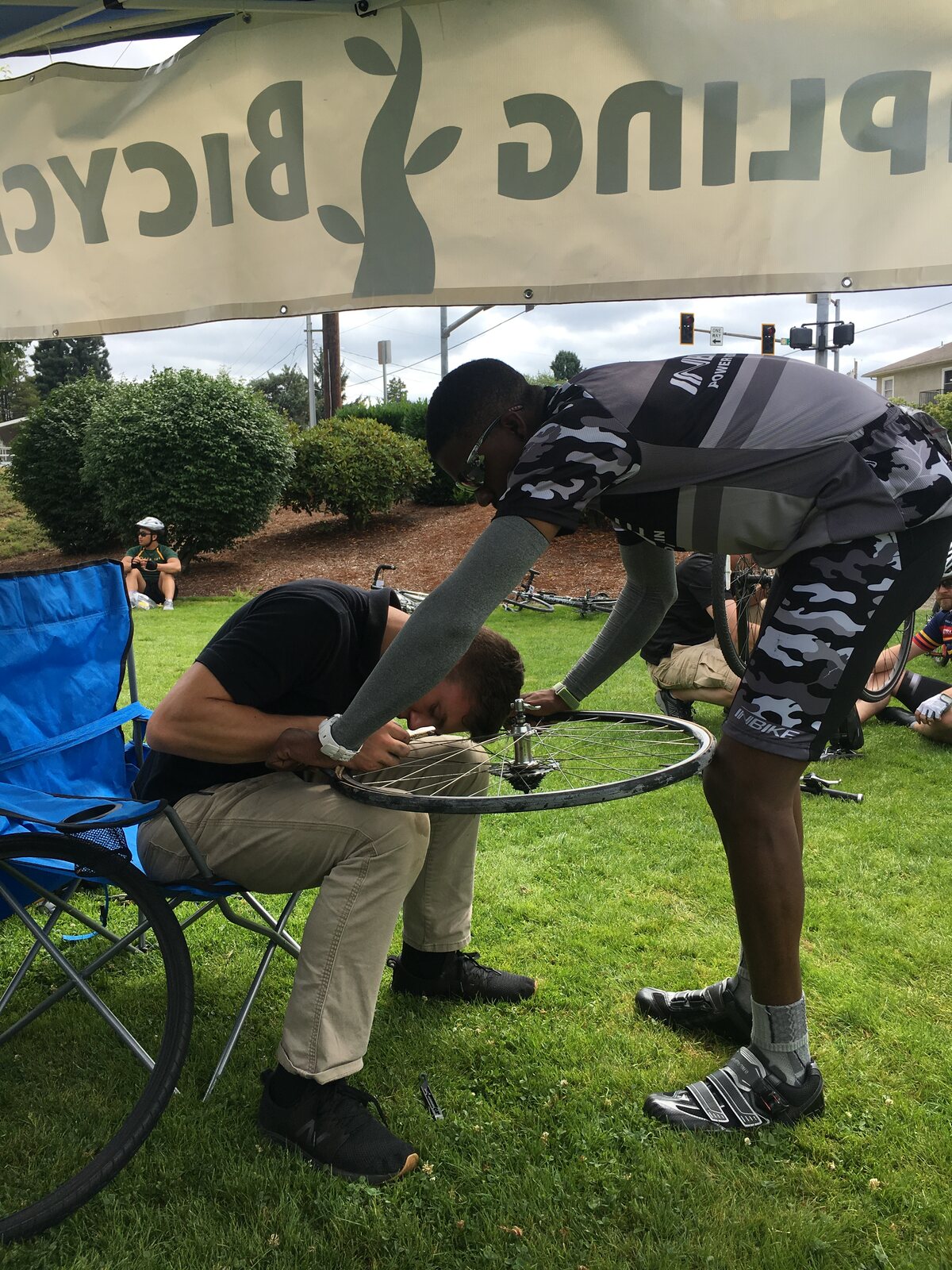
Long before the velodrome, I was a kid in Puyallup, tinkering with bikes and restoring vintage steel frames in my parents' garage. At 13, I started my first business working on bikes and later converted my first car — a 1985 box truck — into a mobile bike shop so I could follow multi-day rides. Growing up, I was always competitive in sports and captivated by the Olympics and the athletes on that stage.

Younger Matthew riding a custom long-fork bike build
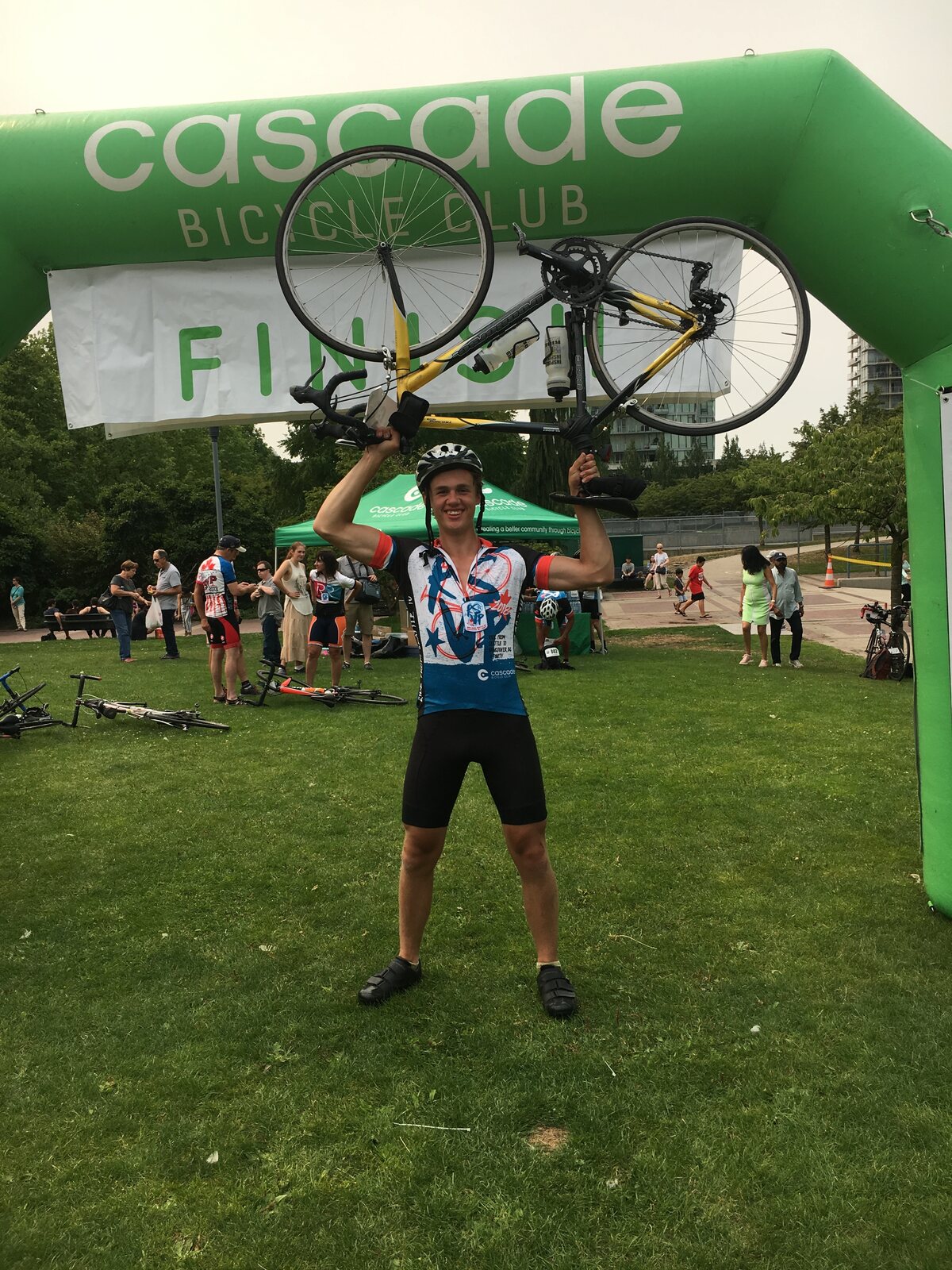
Matthew lifting his bike overhead at a Cascade Bicycle Club finish line
Teen Matthew truing a wheel for another rider at a race — running his own traveling mechanic shop
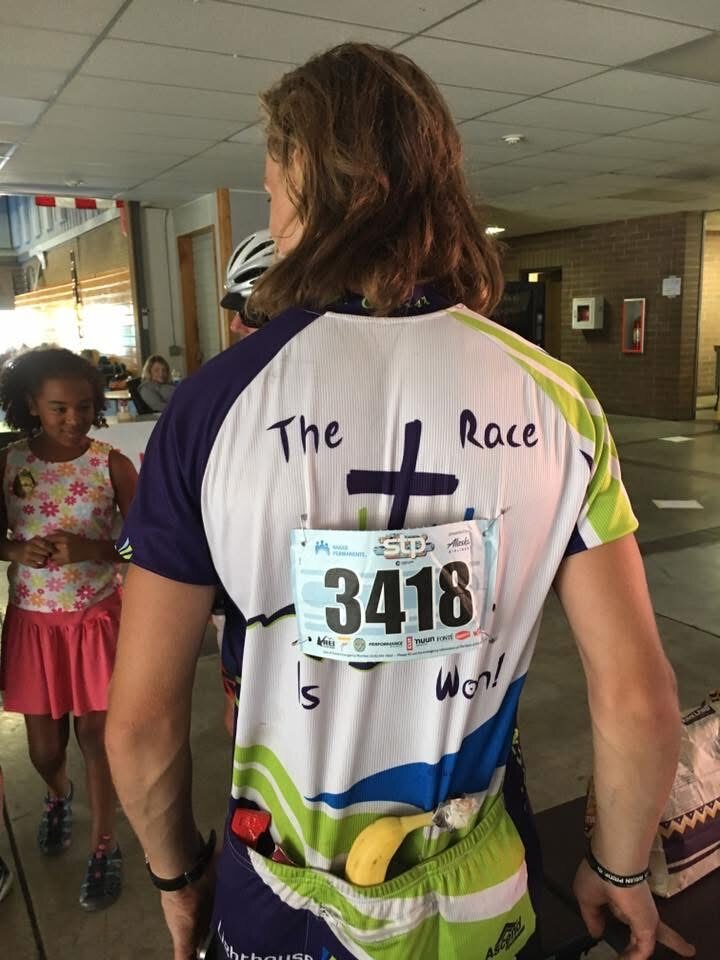
Back of cycling jersey reading 'The Race Is Won' with race bib 3418
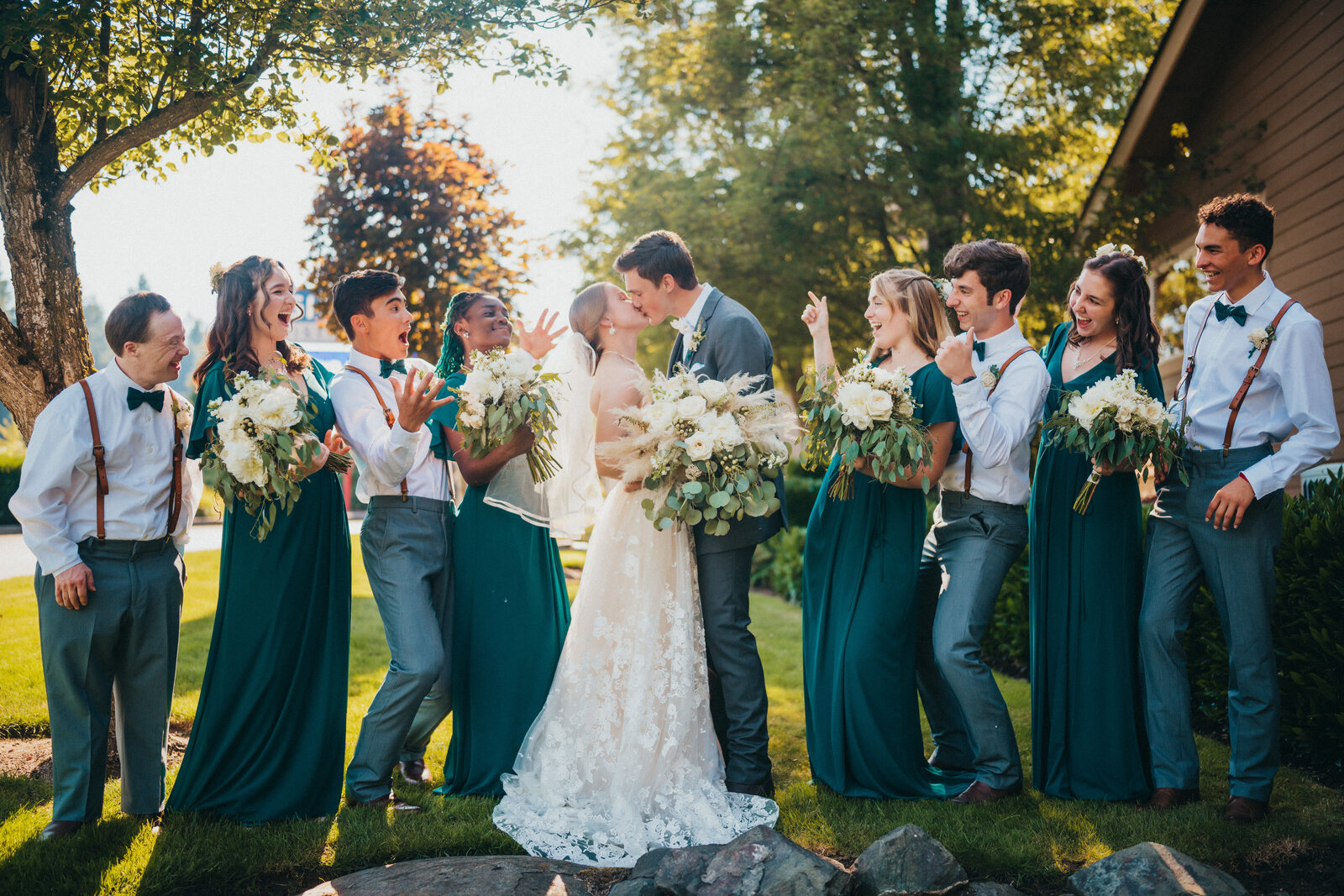
Matthew and Kaitlynn at their wedding, surrounded by their wedding party
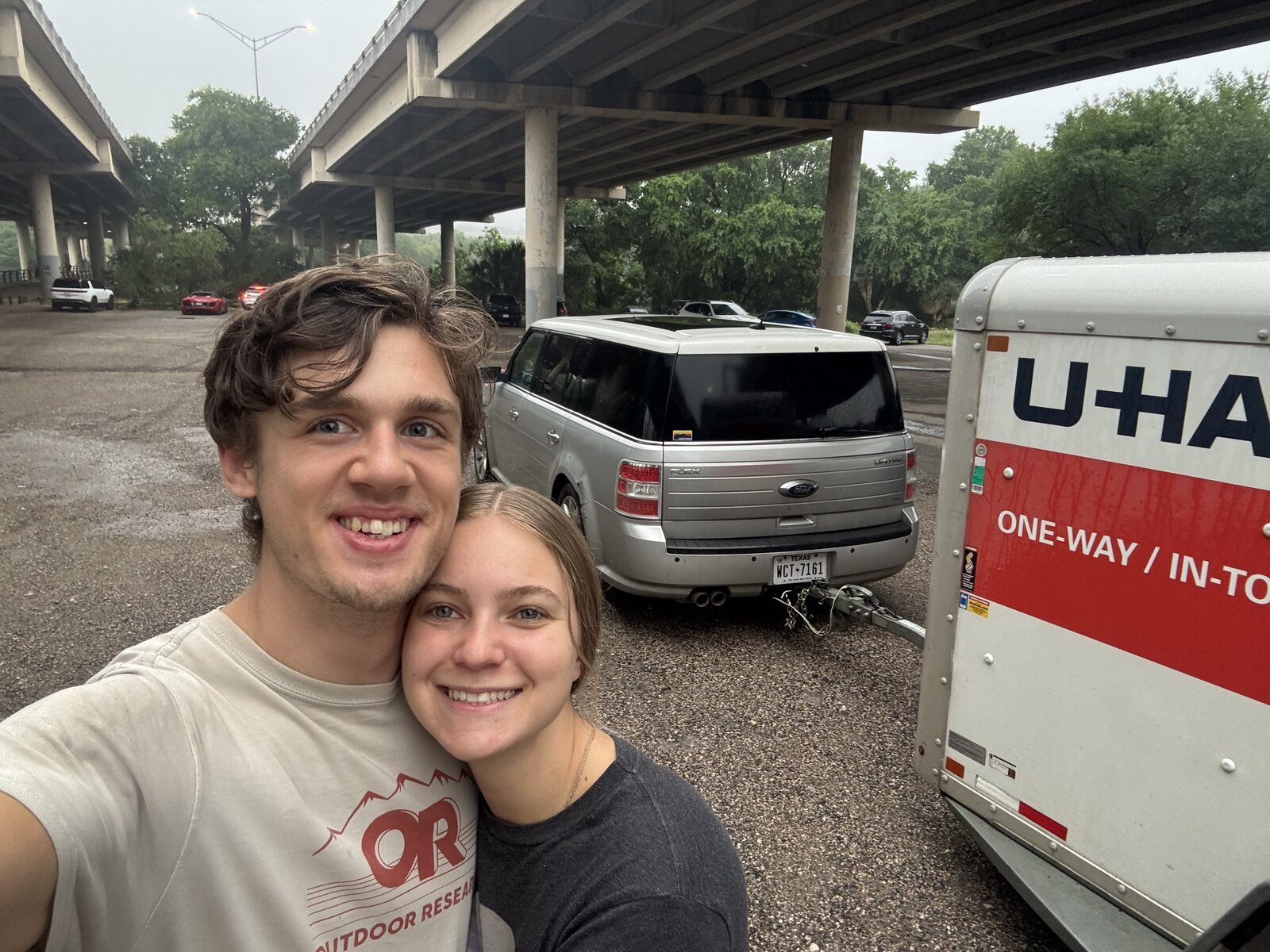
Matthew and Kaitlynn standing next to a U-Haul on the road to Los Angeles
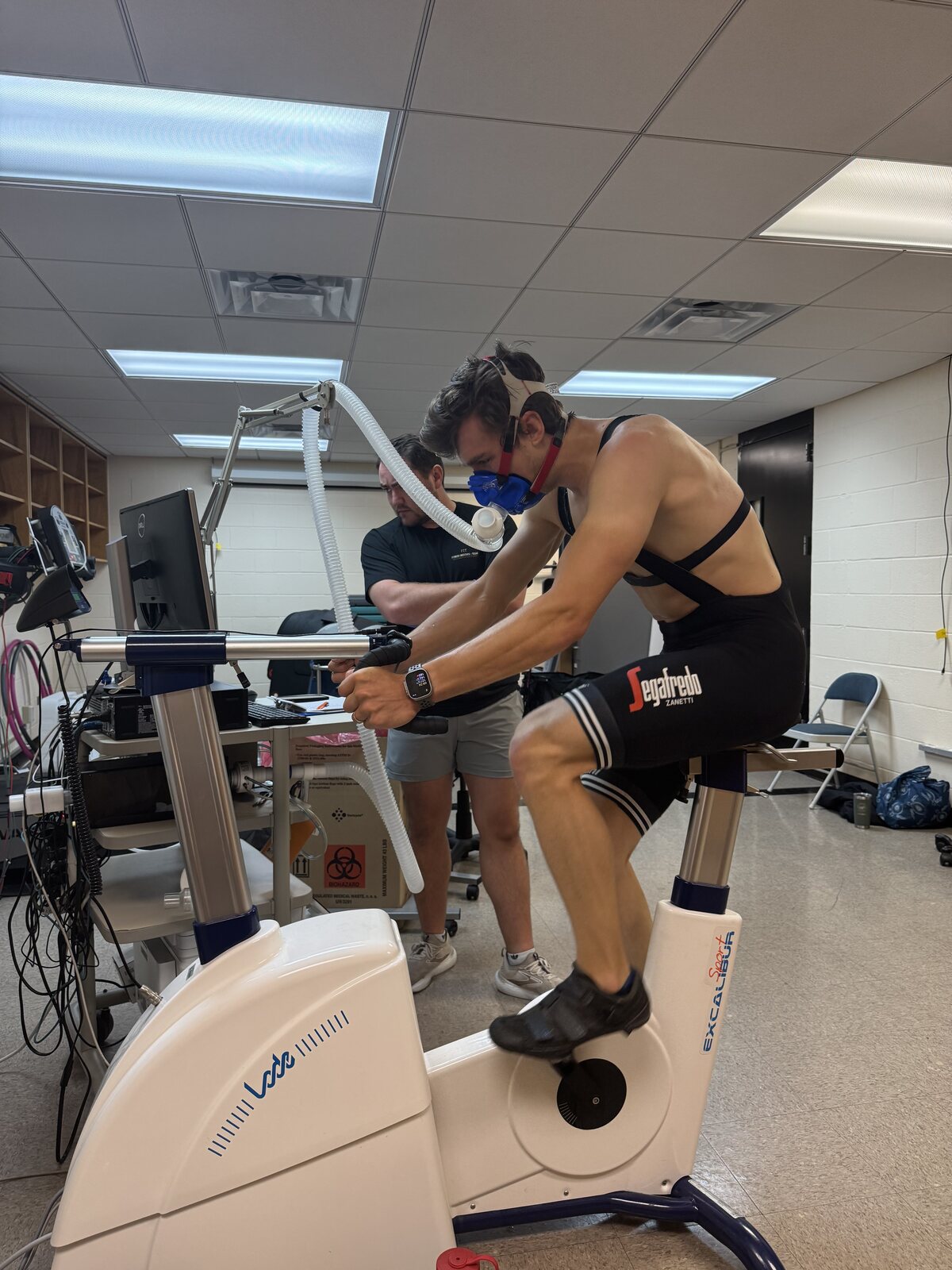
Matthew on a lab ergometer wearing a VO2 mask during a physiology test

GETTING HERE

My wife and I moved to LA to chase this.

While finishing school and running yet another business, I met the love of my life, Kaitlynn. We got married and together we decided that if I was going to pursue my athletic potential, it had to be now. We moved across the country to Austin, where I went all in on road time trialing and endurance training, building a team of strong coaches. Through testing and experience, we discovered that I'm genetically wired as a sprinter. That realization opened new doors, and before long we were on the move again — this time to Los Angeles — where I stepped into the velodrome and began my journey in track sprinting.

FREQUENTLY ASKED

Tap a topic. Tap a question.

I'm a 23-year-old full-time professional athlete and entrepreneur. Born and raised in Puyallup, Washington, an hour south of Seattle. I've always loved bikes and chose to devote my young adult life to racing them.
I'm 23 years old.
I currently live in Torrance, California and train at the Carson Velodrome. I'm originally from Seattle, Washington but moved to California in the spring of 2025.
When I'm not training (and even between hard efforts), I run an NFC and QR platform startup called TacTile. The flexibility of both these crazy endeavors lets me devote a substantial amount of time to each — giving me the opportunity to grow both my athletic career and TacTile. Normally sitting behind a computer all day and night would sound draining, but with the heavy physical demands of my training, it's just what I need.
Bike racing on a banked oval — usually wood (indoor) or concrete (outdoor) — using fixed-gear bikes with no brakes and no shifting. Endurance events on one side, sprint events on the other. Matthew is a sprinter.
The banking lets riders carry speed through the corners without slowing down. The faster you go, the higher up the banking you can ride — the bank does the work of keeping you on the track.
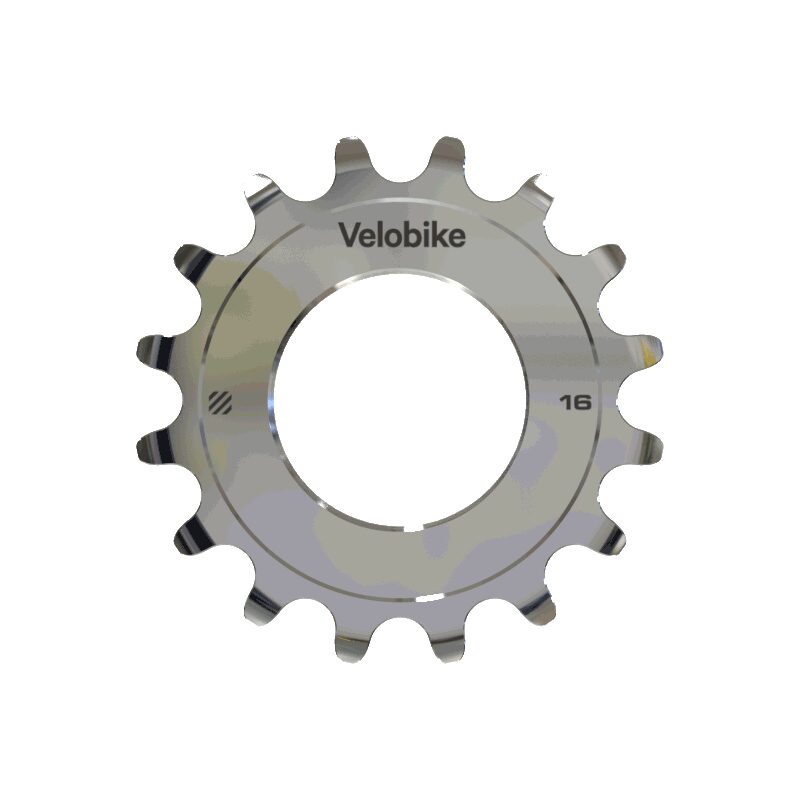
Track bikes are fixed-gear: the rear cog is locked to the rear wheel, so the pedals are always moving when the bike is moving. No freewheel. No brakes — slowing down means resisting your pedal stroke. One fixed gear ratio per race.
On the Olympic schedule there are six distinct track cycling events. I specialize in team and individual sprint.

Team sprint — Three riders, three laps. One rider drops off after each lap, leaving the final rider to finish alone. Pure power and explosive starts.

Individual sprint (match sprint) — Two riders go head-to-head over three laps. The first part is a tactical chess match; the last 200 meters is flat-out speed.

Keirin — Six to nine riders ride behind a motorized pacer that gradually accelerates, then peels off, leaving the field to sprint to the finish. Originated in Japan as a betting sport.

Team pursuit — Two teams of four start on opposite sides of the track and chase each other over 4 km. Whoever catches the other team first wins; otherwise the fastest time decides.

Omnium — A multi-event endurance competition over a single day: scratch race, tempo race, elimination race, and points race, scored together.

Madison — Two riders per team take turns racing while the other rests, exchanging the racing position via a hand sling. Sprint laps score points throughout.
I specialize in individual sprint (also known as a match sprint) and team sprint.
I train roughly 30 hours over 6 days, with one rest day per week. My training includes time at the velodrome, weight lifting, mobility, and sauna sessions. Since I get long rests between hard efforts, I'm able to bring my laptop to the track or gym and squeeze some good work in for TacTile.
My coach is BJ Olson, who owns Performance Coaching Company in Los Angeles, specializing in world-class track sprinting and weight lifting.
Track sprinting requires a very large amount of weight training. On most weeks I spend more time in the weight room than on the bike, building speed and muscular resilience more than just raw strength. I haven't done an arm day in over two years! #neverskiplegday. I'm also working to develop a match-sprint tactics program that doesn't currently exist in the US.
Though I really enjoy road and mountain biking, I'm devoting all my time and effort to track cycling to see how far I can go with it.
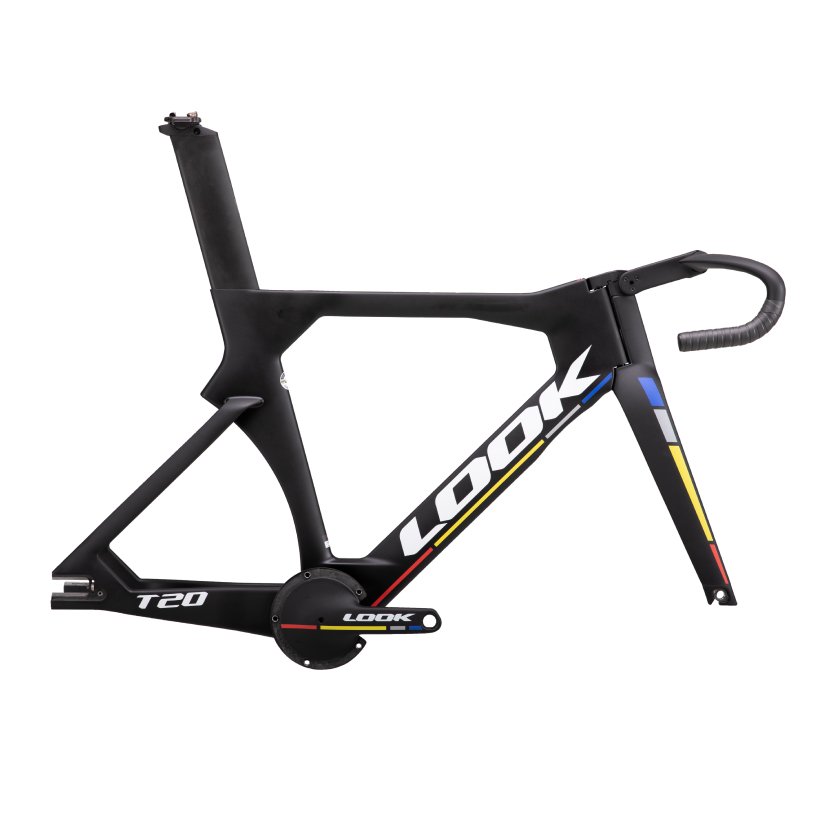
I currently ride a Look Madison. USA Cycling has a partnership with Look Bikes, and the future setup — when funds allow — is a Look T20, which is much stiffer and more aerodynamic. Track bikes only have one gear and no brakes!
Track cycling equipment is very niche and specialized, so you don't have the benefits of economies of scale. The difference between first and second place could be a millisecond. The type of wax you use on your chain or the stiffness of your frame could be what wins you the race. Every part on the bike is meticulously chosen, tested, and iterated on throughout the season.
It's all about aerodynamics. In track cycling, roughly 80–90% of all resistance is created by air. An incredible amount of effort goes into proper equipment and positioning to minimize aerodynamic drag.
The USA sprint team has partnerships with some companies that make certain gear more accessible. Beyond that, equipment choice depends on a lot of factors — different tires depending on the track surface, aerodynamic kit specifically tested and tuned for my body shape, and different wheels depending on the type of race.
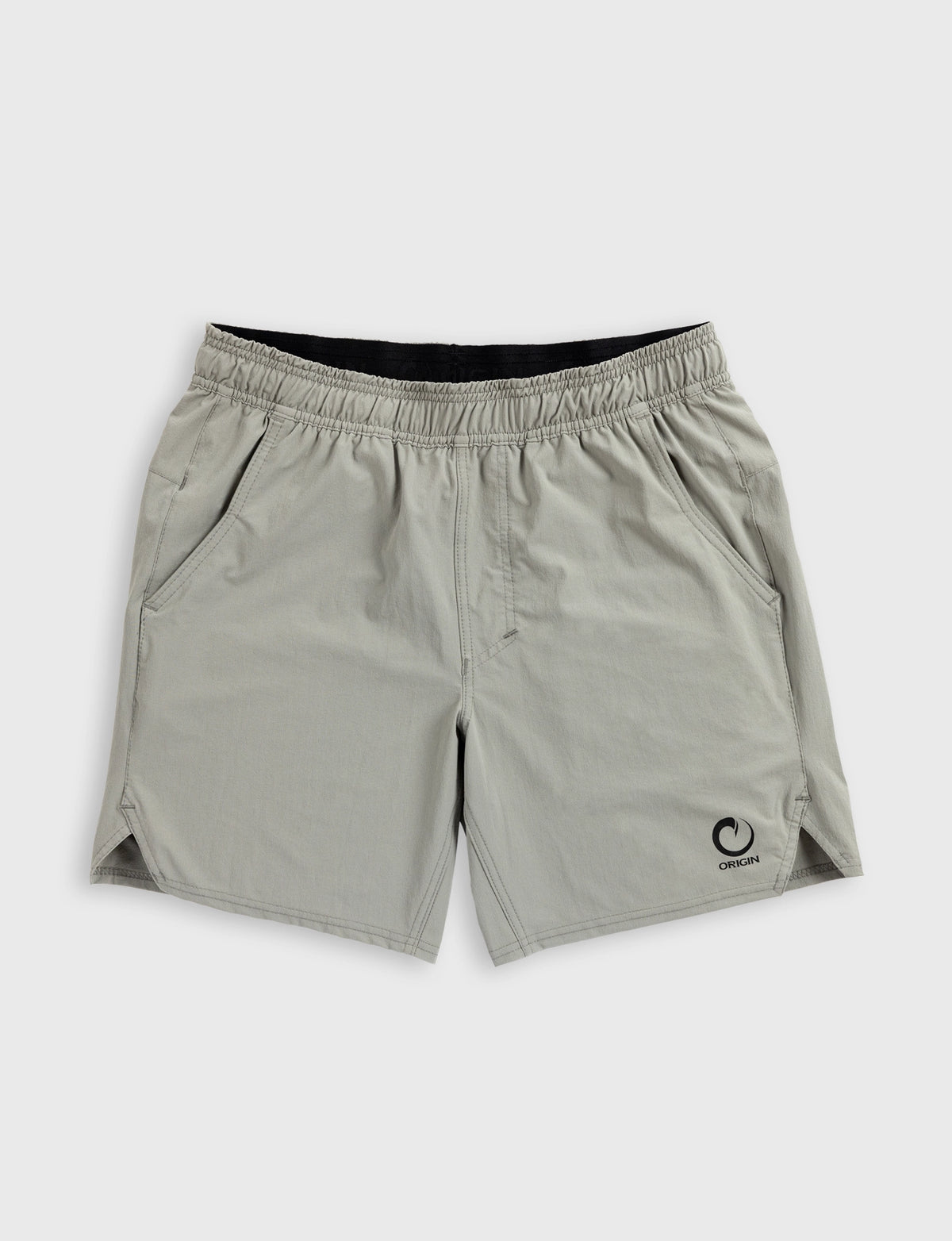
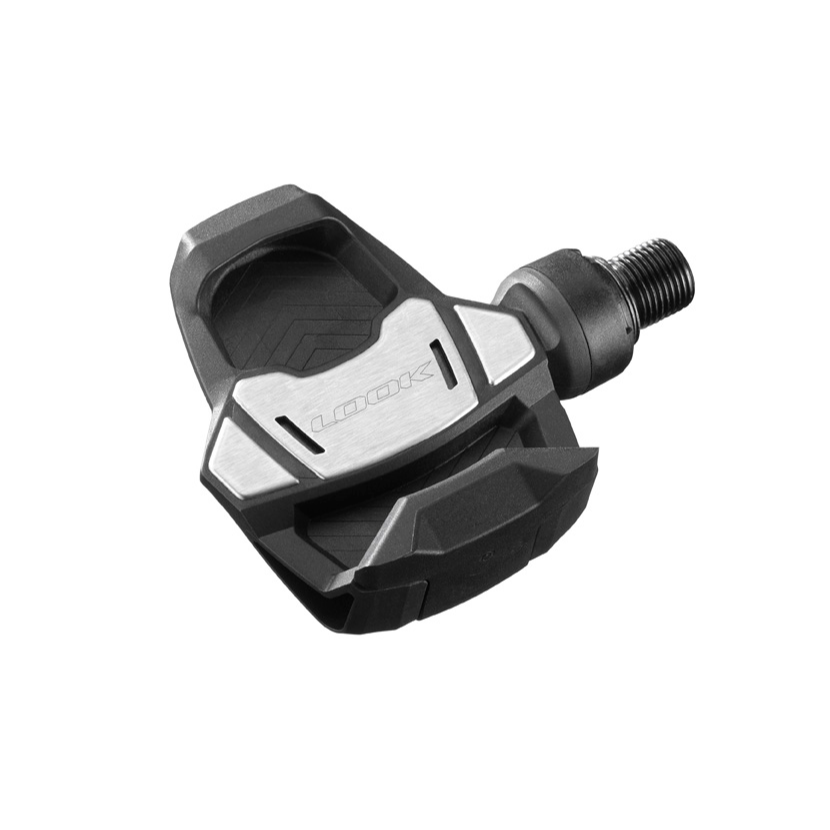
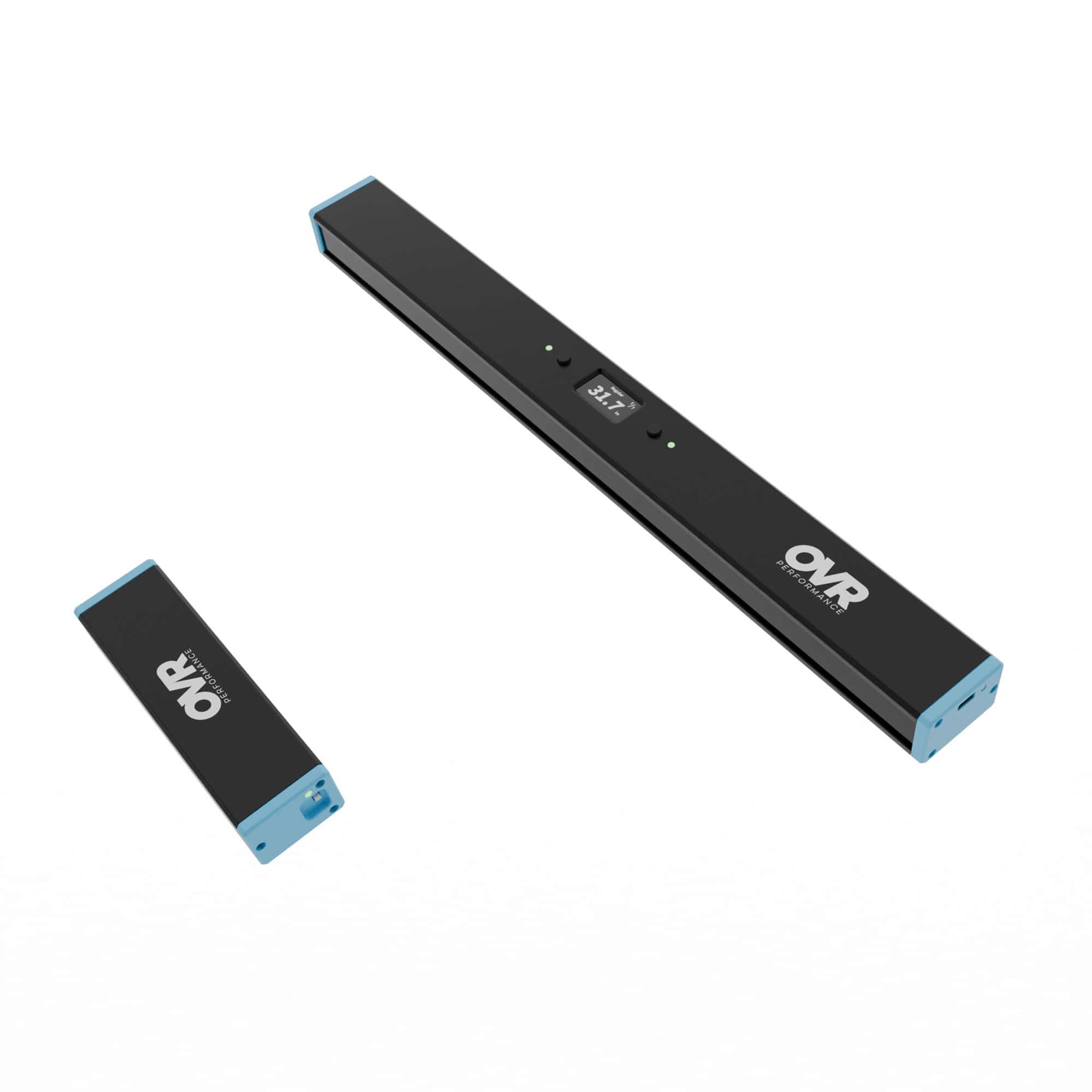
There are several ways you can help, and I'm grateful for any amount of support! I've made a wishlist if you'd like to purchase a piece of kit or equipment, or you can donate to my general fund. If you have something else in mind or another way you'd like to help, I'd love to hear from you.
In the US, track cycling and other sports with a primarily Olympic focus don't receive much funding. Even being the best in the world wouldn't change that significantly. Outside support is how American track sprinters compete on the world stage.
Right now I don't race for any sponsors. Part of my development program is high training volume rather than a full race calendar.
"Nobody gets into track cycling for the money. They get into it hoping to wear a red, white, and blue jersey on a podium." — Matthew

Behind the numbers

Track cycling at this level unfortunately isn't cheap. See what goes into a fully rounded track athlete.

A typical race trip runs around $3,500 — flights, hotel, ground transport, food, and a few extra days for setup and recovery. Travel is the single biggest expense in a season. There's no shortcut here — you can't podium at a race you didn't go to.
BJ Olsen runs my whole program — world-class strength and conditioning, hands-on bike work, and race tactics. He is somebody I trust to be just as dedicated and invested in my success as I am.
Fast unfortunately isn't cheap. Track bikes are highly specialized. A top-end frame can run into the tens of thousands. Add skinsuits, multiple chainring and cog combinations for different events and tracks, replacement tubular tires, helmets, shoes — the math compounds fast. Most of this is a one-time front-load, but the catch-up to elite-level kit is real.
Physio, massage, sports psychology — almost always overlooked because of the added expense, and almost always the first thing to get cut when budget is tight. But this is the work that prevents injuries, keeps recovery sharp between sessions, and lets me push as hard as I do without breaking down. As funding grows, this is one of the first places it goes.
This journey is built just as much at home as it is on the track. A supportive wife and living below our means makes this endeavor possible. That being said, the pressure of food, shelter, and transportation never go away.
In the US, track cycling and other sports with a primarily Olympic focus don't receive much funding. Even being the best in the world wouldn't change that significantly. Outside support is how American track sprinters compete on the world stage.

Any help makes a huge difference.

Two ways to back the program — pick a specific piece from the wishlist, or contribute directly to the general fund.

OR JUST CONTRIBUTE

Donate to the general fund.

GOES WHEREVER IT'S MOST NEEDED

  • Training
  • Coaching
  • Recovery
  • Kit
  • Food
  • Race fees
Venmo → Reach out →

Get in touch

Help out →